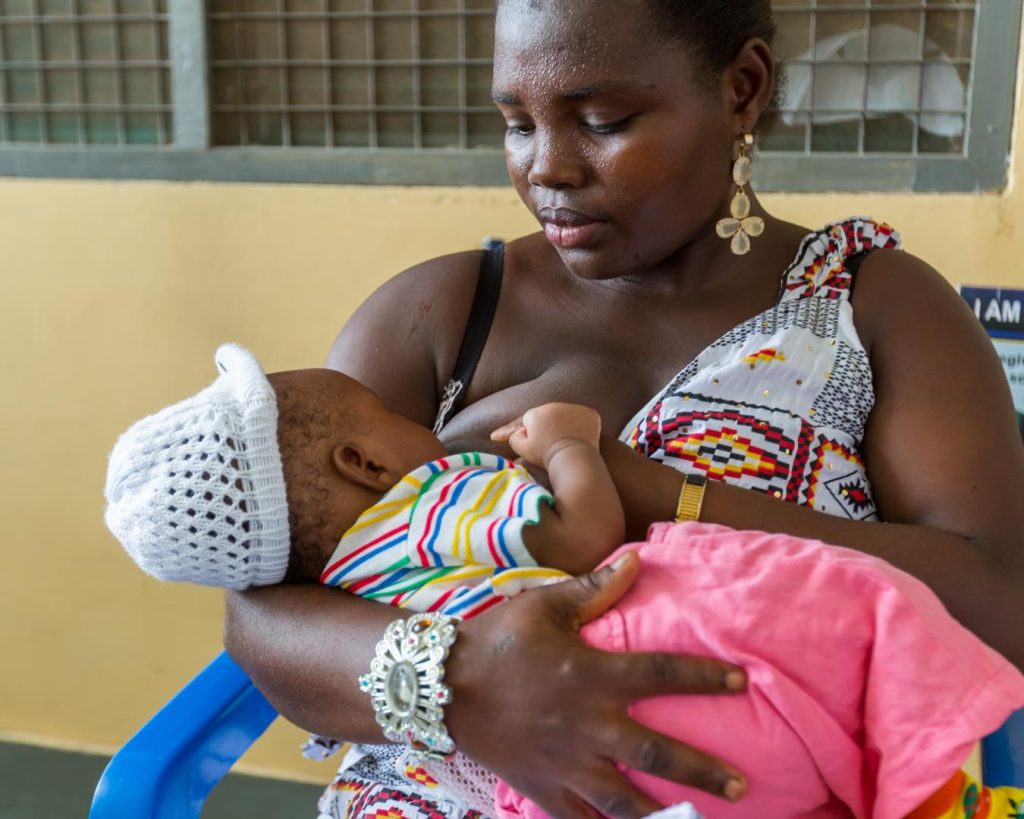
The Ghana National Association of Teachers (GNAT) has renewed calls for the extension of maternity leave for female teachers from the current three months to four months. The appeal reflects growing concerns about the welfare of female educators, particularly nursing mothers who struggle to balance professional duties with childcare responsibilities.
Currently, maternity leave in Ghana’s public sector is set at three months, a duration many stakeholders believe is insufficient for proper postnatal recovery and infant care. GNAT argues that female teachers are often compelled to return to the classroom before they are physically and emotionally ready, which can negatively affect their health and productivity. The association maintains that extending the leave period would provide mothers with adequate time to recover from childbirth and establish stronger bonds with their newborns.
According to GNAT, the teaching profession presents unique challenges for nursing mothers. Unlike some other professions, teachers cannot easily combine work with childcare, as classroom environments are not designed to accommodate infants. This limitation forces many mothers to seek alternative care arrangements prematurely, sometimes at the expense of the child’s well-being. The association believes that a four-month maternity leave would ease this burden and improve outcomes for both mother and child.
The call by GNAT is also aligned with broader discussions on labour rights and gender-sensitive workplace policies. Many countries and international labour advocates recommend longer maternity leave periods to support maternal health and exclusive breastfeeding, which is often encouraged for at least the first six months of a child’s life. By extending maternity leave, Ghana would be taking a step toward meeting these global standards and promoting family-friendly work environments.
Beyond individual benefits, GNAT emphasizes that the policy change could have positive implications for the education sector as a whole. Female teachers who are given sufficient time to recover and care for their children are more likely to return to work with renewed energy and focus. This, in turn, can enhance teaching quality and overall student outcomes.
The association has therefore urged the Ghana Education Service and the government to consider the proposal seriously and initiate the necessary policy adjustments. GNAT believes that investing in the welfare of teachers is essential for strengthening the education system and ensuring sustainable national development.
In conclusion, the call for a four-month maternity leave highlights the need for more responsive and inclusive labour policies within Ghana’s education sector. As discussions continue, the proposal presents an opportunity for policymakers to address the practical realities faced by female teachers and to promote a healthier, more supportive working environment.